How to Spot Hidden Water Damage in Older DC Homes
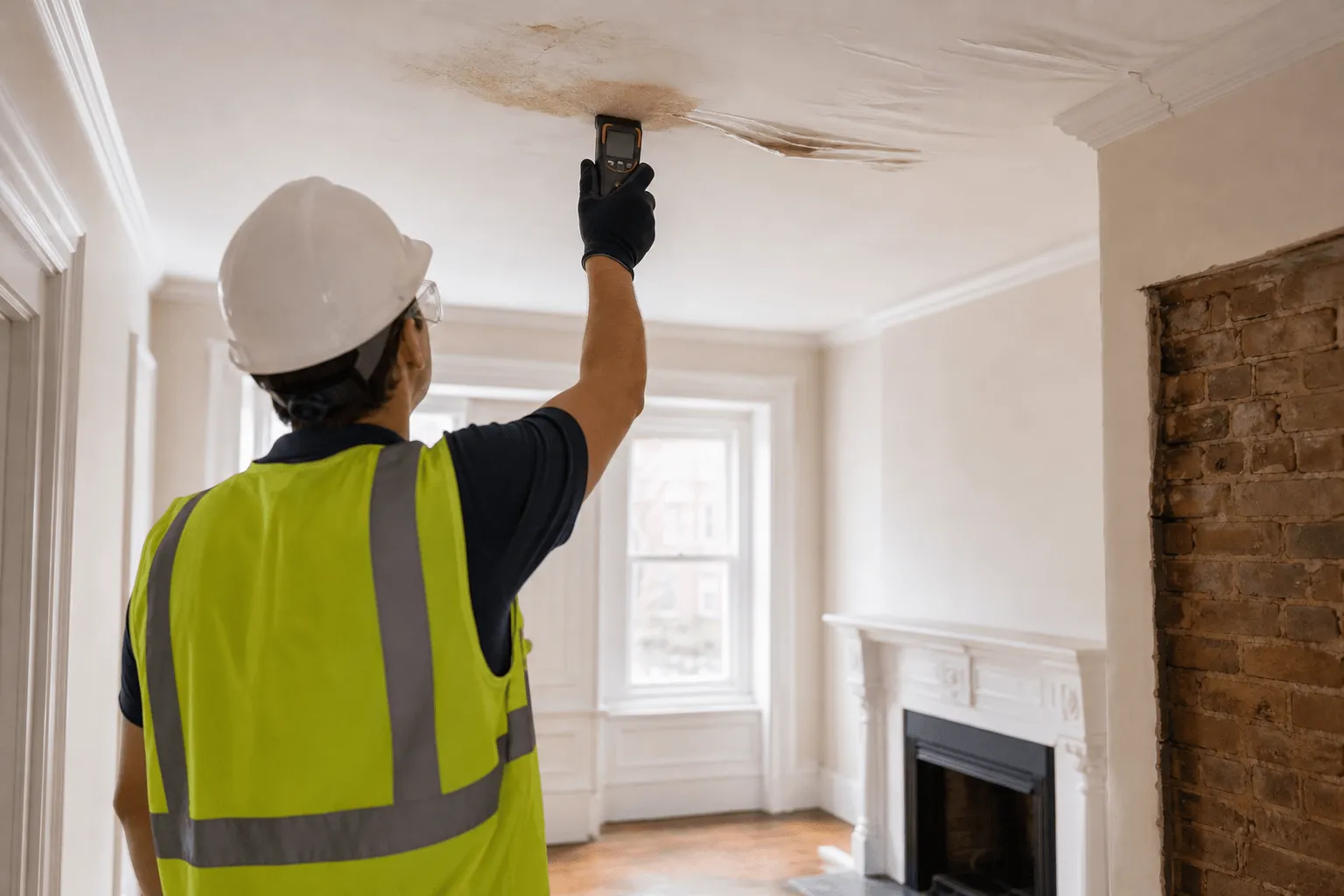
Living in Washington, DC means you’re surrounded by history—sometimes, you’re even living in it. But those beautiful old rowhouses and pre-war gems can hide more than charm. Water_damage in these homes isn’t always out in the open. Sometimes, the warning signs whisper instead of shout.
At Lion Water Damage Restoration, we know what’s at stake. We’ve spent years helping DC homeowners protect their homes and their peace of mind. Here’s what every DC homeowner should know about spotting hidden water damage—before it becomes a costly nightmare.
Common Places Water Damage Hides in DC Homes 🏠
Older DC homes have their quirks. Plaster walls, stone basements, and original hardwood floors can be magnets for moisture. Here’s where water likes to play hide and seek:
- Behind Plaster Walls: Water can seep through cracks or gaps, soaking the lath and plaster until stains or bubbling appear.
- Stone & Brick Basements: Washington, DC basements are notorious for slow leaks through porous stone or crumbling mortar.
- Under Hardwood Floors: Warping or cupping can mean more than just humidity—it’s often a sign of hidden water.
- Attics & Crawl Spaces: Poor ventilation, old roofs, and flashing failures can let water creep in undetected.
- Around Old Windows & Doors: Decades-old seals and caulk can fail, letting rainwater find its way inside.
- Between Floors: Plumbing from old radiators or bathrooms can leak for months before you see a stain.
If your home has any of these features, a little vigilance goes a long way.
Warning Signs: What to Look, Smell, and Listen For
Spotting water_damage isn’t always about puddles on the floor. Sometimes, your senses are your best tools.
See:
- Stains on ceilings or walls, especially around windows or in corners.
- Peeling paint or wallpaper.
- Warped, buckling, or spongy wood floors.
- Efflorescence (a white, powdery deposit) on masonry.
Smell:
- Musty, earthy odors—especially after rain or in closed-up rooms.
- “Wet dog” scent in basements or crawl spaces.
Feel:
- Dampness underfoot, especially on carpets or rugs.
- Unexplained humidity, making rooms feel sticky even with the A/C running.
Hear:
- Dripping or trickling sounds inside walls, especially at night when the house is quiet.
Don’t shrug these off. Even subtle clues can mean a small leak is becoming a big problem.
Why Older DC Homes Are at Higher Risk
DC’s historic homes were built to last, but building codes and construction materials have changed a lot since the early 1900s. Plaster and lath, stone foundations, and clay pipes—all common in these homes—can age unpredictably.
- Settling & Shifting: As foundations move, tiny cracks form, letting water sneak in.
- Aging Infrastructure: Old pipes, worn-out flashing, and outdated waterproofing can become failure points.
- Design Flaws: Many older homes lack modern vapor barriers or efficient drainage.
The quirks that make your home unique can also make it vulnerable to hidden water_damage—especially in DC’s freeze-thaw climate.
The Health Risks of Undetected Leaks
It’s not just about warped wood or peeling paint. Long-term water_damage creates the perfect breeding ground for mold and mildew. According to the Environmental Protection Agency (EPA), mold can trigger allergies, asthma, and other respiratory problems—especially in children and seniors.
Structural rot is another lurking danger. Water can slowly eat away at beams and joists, undermining your home’s stability. The longer water goes undetected, the greater the risk (and the higher the repair bill).
How to Self-Inspect for Hidden Water Damage
You don’t need fancy tools to catch the obvious signs, but it helps to be methodical. Here’s a quick DIY checklist:
- Walk each room after heavy rain. Check ceilings, corners, and floors for new stains or warping.
- Open closet doors and sniff for musty odors.
- Inspect around windowsills and door frames for soft spots or peeling paint.
- Feel along baseboards for dampness.
- Check your basement regularly for puddles, white powdery residue, or damp walls.
If you spot anything suspicious, jot down what you see, where, and when. Patterns can help pinpoint the source.
Professional Assessment: What the Pros Do
Some water_damage hides deep in the bones of your home. That’s where Lion Water Damage Restoration comes in. Our technicians use specialized technology, including:
- Moisture Meters: These measure the water content inside walls, floors, and ceilings—far beyond what you can see or feel.
- Infrared Cameras: Like x-ray vision for your house, these reveal cold spots where water may be lurking behind surfaces.
- Remote Monitoring: Sensors can track humidity and moisture over time, catching slow leaks before they escalate.
We pair these tools with a trained eye—our team is continually trained in the latest diagnostic methods, especially for historic DC properties. We know where to look and what to look for.
Learn more about our damage assessment process.
When to Call in the Experts
Some jobs are bigger than a mop and a bucket. Here’s when it’s time to pick up the phone:
- You spot new stains or swelling that spreads or gets worse after storms.
- Musty odors persist even after cleaning and airing out.
- Floors feel soft, spongy, or start to buckle.
- You hear dripping behind walls or ceilings.
- There’s visible mold growth or you have health symptoms that worsen at home.
Quick action is key. Water_damage doesn’t wait—and neither should you.
Keeping Your Historic Home Dry: Prevention & Maintenance
Staying ahead of water_damage means regular upkeep. Here’s how to give your older DC home the best shot at staying dry:
- Inspect Gutters & Downspouts: Clear leaves and debris each season.
- Seal Windows & Doors: Replace failing caulk or weatherstripping.
- Maintain Roofs: Schedule annual roof checks, especially after storms.
- Watch Plumbing: Have a licensed plumber inspect old pipes and radiators.
- Use Dehumidifiers: Especially in basements and crawl spaces during DC’s humid summers.
Explore our dehumidification services for lasting moisture control.
Costs & Time Factors: What to Expect
No two water_damage cases are the same. The cost and timeline depend on:
- The source and extent of the damage.
- How long the water has been present.
- Whether mold or rot is involved.
- The complexity of access (e.g., behind walls, under floors).
Small repairs—like patching a leak or drying a damp patch—might take a day or two. Larger restoration projects, especially in historic homes, can stretch to several weeks. Insurance may help with costs, but quick action avoids bigger bills later.
When It’s an Emergency 🚨
Some water_damage can’t wait. Call for 24-Hour Service in Washington, DC if you experience:
- Sudden flooding from storms or burst pipes.
- Ceiling or wall collapse.
- Electrical hazards combined with water.
- Sewage backups.
Lion Water Damage Restoration is on call around the clock for emergencies—because water doesn’t care what time it is.
Frequently Asked Questions
How do I know if I have water damage if I can’t see it?
Look for subtle changes: musty odors, warped floors, unexplained humidity, or stains that appear after rain. If in doubt, get a professional assessment.
Can water damage in my old DC home cause health problems?
Yes. Mold and mildew from hidden leaks can trigger allergies, asthma, and other respiratory issues, according to the EPA.
How often should I inspect my home for water damage?
At least twice a year—ideally after heavy rain or snowmelt, and during routine maintenance checks.
What tools do professionals use to find hidden water damage?
Moisture meters, infrared cameras, and remote monitoring sensors help detect moisture behind walls and under floors.
Local & Seasonal Considerations for DC Homeowners
Washington, DC’s humid summers, freezing winters, and sudden storms make homes here especially vulnerable. Seasonal temperature swings can cause materials to expand and contract, opening up new entry points for water. Pay extra attention during spring rains and after ice storms—these are prime times for leaks to show up.
Related Services
- Damage Assessment: Pinpoint the source and extent of water damage in your home.
- Remote Monitoring: Keep tabs on moisture levels in real time, even when you’re away.
Call Lion Water Damage Restoration now — or reach us anytime at (771) 213-3141 .