Washington, DC Water Damage: Immediate Steps for Homeowners
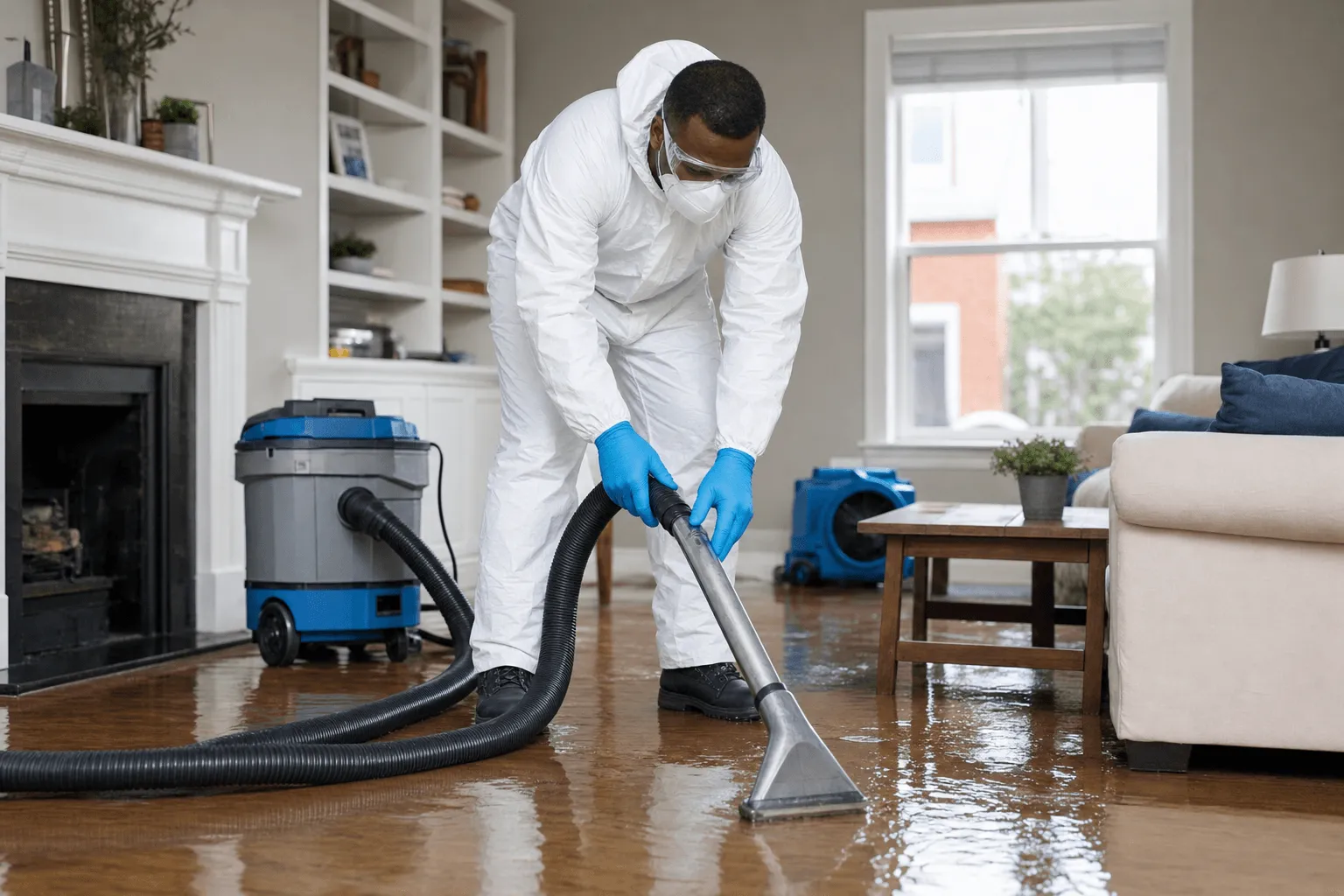
Water damage doesn’t knock politely. It barges in—sometimes in the middle of the night, sometimes during a DC summer downpour, sometimes from a burst pipe in an old rowhouse wall. One minute your home feels safe. The next, you’re ankle-deep in uncertainty.
At Lion Water Damage Restoration, we know how overwhelming water emergencies are for DC homeowners. That’s why our IICRC-certified team is always ready, day or night, to help you take back control fast. Here’s what you need to do right now if water damage strikes.
Assessing the Situation: Safety First ⚡
Before anything else, pause. Scan the scene. Is it safe to enter the affected area? Electricity and water are a dangerous mix—like oil and fire. Your safety, and your family’s, comes before belongings or property.
Follow this safety checklist before taking action:
- Power down: If it’s safe, turn off electricity at the main breaker panel. Don’t step through standing water to reach it—call for help if you’re unsure.
- Smell for gas: If you notice any gas odor, leave immediately and contact your utility provider.
- Watch your step: Water-soaked floors can be slippery, and hidden hazards (like lifted floorboards or sharp objects) may lurk.
- Protect yourself: Wear rubber boots and gloves if you must enter. Keep kids and pets far away.
The DC Department of Energy & Environment recommends always prioritizing personal safety above all else during household emergencies. Don’t take risks—property can be restored; lives cannot.
Stopping Water at the Source
If the source of water is still flowing, shutting it off is job one. In DC homes, that often means:
- Find your main water shutoff: Usually in the basement, near the front wall or by the water heater.
- Turn off localized valves: For overflowing sinks, toilets, or appliances, use the shutoff valves directly behind or beneath the fixture.
- Close exterior taps: In heavy rain, check window wells, basement doors, and exterior faucets for leaks.
If you can’t stop the water safely, step back and wait for professional help. Document everything with photos or video—this is vital for insurance claims later.
Protecting Valuables and Essentials 🗝️
Minutes matter. While you wait for help, move irreplaceable items out of harm’s way if it’s safe:
- Lift electronics, documents, and keepsakes: Place them on high shelves or upstairs.
- Remove rugs and fabrics: These absorb water fast and can grow mold within hours.
- Open drawers and closet doors: This allows trapped moisture to escape and reduces swelling.
- Gather essentials: Medications, chargers, and important papers should be kept dry and handy.
If the water is contaminated (sewage or floodwater from outside), avoid direct contact and leave items in place for professional cleaning.
When to Call Emergency Pros in DC
Some DIY fixes work for a dripping faucet or spilled drink. Water pouring through the ceiling, flooding your basement, or soaking walls? That’s a whole different story.
Call Lion Water Damage Restoration’s 24-Hour Service in Washington, DC if:
- Water is spreading fast or won’t stop.
- You see bulging ceilings or sagging walls (collapse risk).
- There’s visible mold, sewage, or an unknown source.
- The breaker panel or outlets are wet or humming.
- You feel overwhelmed or unsafe—trust your gut.
Our team is licensed, insured, and IICRC-certified. We know DC’s unique homes, from Georgetown rowhouses to Capitol Hill basements, and can coordinate with your insurance for a smoother claim process.
What to Avoid While Waiting for Help 🚫
Tempted to start ripping up carpets or run fans? Hold off. Certain actions can make things worse or put you at risk:
- Don’t use household vacuums on water—this can cause electric shock or damage the appliance.
- Skip the bleach on wet drywall or flooring. Bleach can’t kill mold roots and may create toxic fumes.
- Don’t turn on ceiling fixtures if the ceiling is wet.
- Avoid lifting heavy, waterlogged items on your own—wait for help to prevent injury.
- Don’t open windows if it’s humid outside—in DC’s muggy summers, this can make drying harder.
Instead, focus on safety, documentation, and stopping further water intrusion.
Real-World Steps to Reduce Loss and Health Risks
Quick action after water_damage can save you thousands and protect your health. Here’s what you can do while you wait:
- Take clear photos and videos of all affected areas and belongings.
- Make a list of damaged items for insurance.
- Use clean towels to block doorways and prevent water from spreading.
- Set aside a “go bag” of essentials in case you need to leave for repairs.
The CDC and EPA both highlight the importance of acting fast to prevent mold and structural decay, especially in cities with humid summers like Washington, DC.
How Lion Water Damage Restoration Responds
When our team arrives, we move quickly and methodically:
- Immediate damage assessment—using moisture meters and thermal cameras.
- Water extraction with industrial equipment.
- Structural stabilization to prevent collapse or further loss.
- Dehumidification and drying, tailored to DC’s climate.
- Content cleaning, odor removal, and pack-out services as needed.
- Reconstruction and technical reconditioning of affected areas.
- Assistance with insurance documentation.
We’re licensed in Washington, DC and follow all local and national restoration guidelines.
Frequently Asked Questions
How fast can mold grow after water damage?
Mold can start within 24–48 hours, especially in DC’s humid summers. Act quickly.
Do I need to move out during repairs?
Not always. It depends on the extent of the damage and if there are health risks (like contaminated water or mold).
What should I document for insurance?
Take wide and close-up photos of all affected areas, plus serial numbers for damaged electronics or appliances.
Are your technicians certified?
Yes. All Lion Water Damage Restoration pros are IICRC-certified and fully insured in Washington, DC.
Local and Seasonal Considerations for DC Homeowners 🌦️
Washington, DC’s climate brings unique water damage risks:
- Older rowhouses may hide leaky pipes behind plaster or brick.
- Basements are prone to flooding during summer storms and rapid snowmelt.
- Humidity can slow drying, increasing mold risk.
- Historic homes may have special materials that require expert care.
Lion Water Damage Restoration is rooted in DC. We know the quirks of local housing stock and coordinate with city code officials when needed.
Related Services
Need immediate assistance? Learn more about our 24-Hour Service in Washington, DC or see how our water extraction and damage assessment can help.
When water damage strikes, every minute matters. Your safety comes first—then call in the local pros who know DC homes inside and out.
Call Lion Water Damage Restoration now — or reach us anytime at (771) 213-3141 .