Preventing Water Damage in DC Homes: Expert Tips for Every Season
Water doesn’t knock before barging in. In Washington, DC, sudden summer storms, aging infrastructure, and frigid winter snaps can quickly turn a dry basement into a waterlogged nightmare. At Lion Water Damage Restoration, we’ve seen firsthand how fast water_damage can unravel comfort and security in a home.
Every season brings its own set of risks. But with the right mix of vigilance and know-how, you can keep your home—and your peace of mind—intact.
Spring & Summer: Heavy Rain, Flash Floods 🌧️
Washington, DC lives on the edge of weather extremes. Spring and summer are notorious for heavy rain, strong winds, and the occasional flash flood. Even brief cloudbursts can overwhelm gutters, seep through foundations, and flood basements in minutes.
Practical Tips for Spring & Summer:
- Maintain Drainage: Check that your yard slopes away from your house. A simple rake can make sure water flows away, not toward, your foundation.
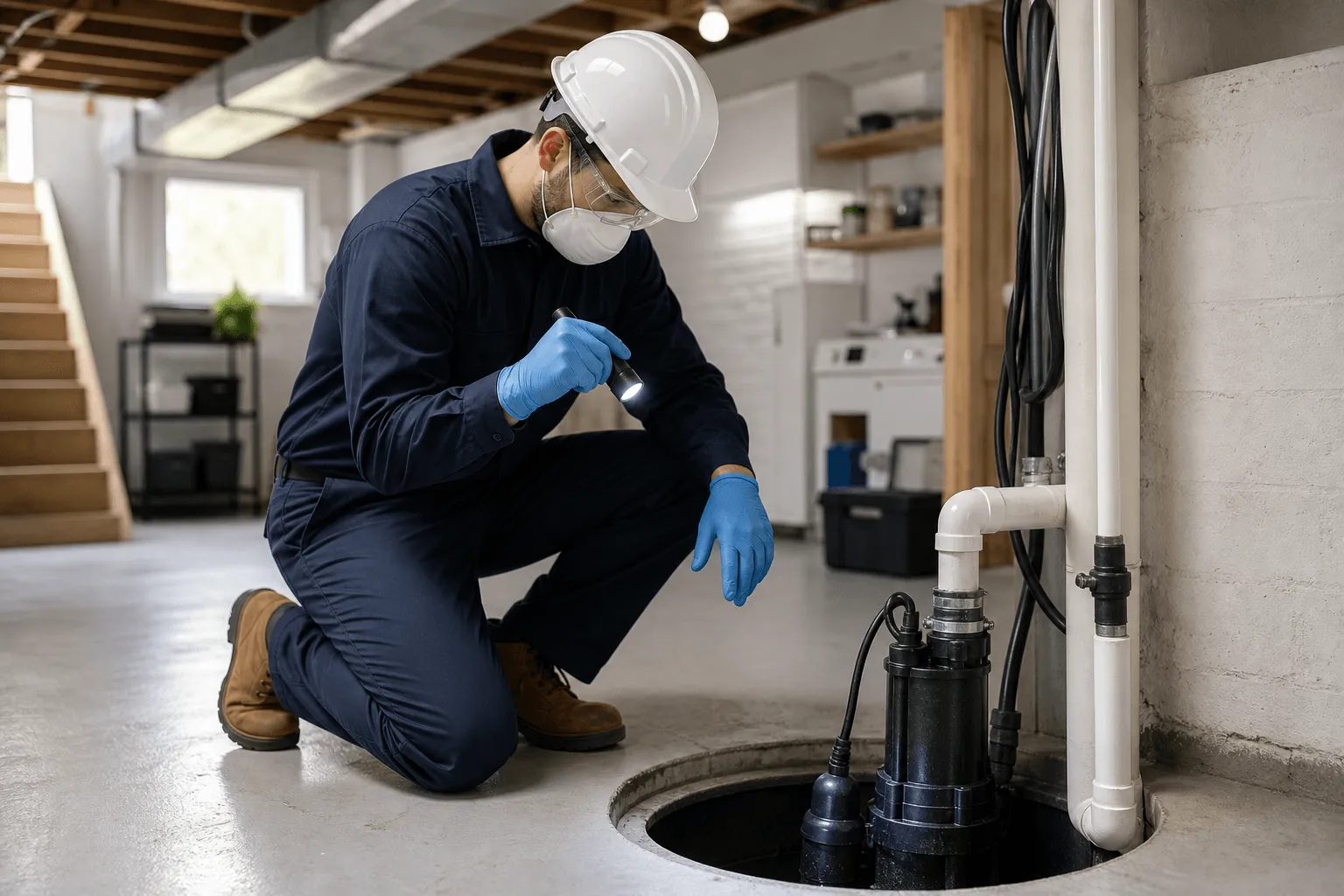
- Test Your Sump Pump: Pour a bucket of water into your sump pit to see if it turns on. If it hesitates, clean or service it before the next big storm.
- Seal Foundation Cracks: Caulk and patch visible cracks in your basement walls or floors. Hydrostatic pressure from saturated ground can push water through even tiny gaps.
- Install Window Well Covers: These keep driving rain from pooling around basement windows.
- Know Your Flood Zone: DC’s Office of Zoning and FEMA’s flood maps can help you understand your risk and plan accordingly.
Seasonal storm threats are no joke. A few hours of prep can spare you days of disruption.
Fall: Gutter Cleaning, Roof Prep 🍂
Leaves are beautiful—until they clog your gutters and create waterfalls over your siding. Fall is prime time for prepping your home to shed water, not soak it up.
Essential Fall Actions:
- Clean Gutters & Downspouts: Remove leaves every few weeks. Make sure downspouts direct water at least six feet from your foundation.
- Inspect Roof Shingles: Look for curled, cracked, or missing shingles. Replace as needed. Water finds every weakness.
- Check Flashing: Around chimneys, vents, and skylights—ensure metal flashing isn’t rusted or loose.
- Trim Overhanging Branches: Storms can turn branches into battering rams, damaging roofs and gutters.
A weekend spent on a ladder now can prevent a winter of headaches.
Winter: Freeze Protection, Pipe Insulation ❄️
DC winters may be milder than some, but sudden cold snaps are common. Frozen pipes are one of the most costly and disruptive forms of water_damage.
Winter-Proofing Steps:
- Insulate Exposed Pipes: Use foam sleeves or heat tape on pipes in unheated spaces (attics, crawl spaces, garages).
- Disconnect Hoses: Drain and store garden hoses. Shut off and drain outdoor spigots.
- Seal Drafts: Use weatherstripping and caulk to block cold air from reaching pipes.
- Know Your Shut-Off Valve: Mark it and keep access clear. If a pipe bursts, seconds count.
- Let Faucets Drip: During deep freezes, keep a trickle running on especially cold nights.
These small steps are your shield against pipe bursts and the chaos they bring.
Year-Round: Routine Inspections & Smart Upgrades 🏡
Water_damage doesn’t read calendars. Some risks lurk year-round, waiting for the right moment.
Proactive Habits:
- Regularly Check for Dampness: Inspect under sinks, behind toilets, around hot water heaters, and in basements.
- Upgrade to Smart Sensors: WiFi water alarms can notify you instantly if leaks start—before the damage spreads.
- Maintain Appliances: Replace hoses on washing machines and dishwashers every five years. Check for slow leaks beneath.
- Consider a Backwater Valve: Prevents sewer backups during heavy rain—a growing risk in older DC neighborhoods.
- Schedule Professional Assessments: Lion’s team offers environmental services that include mold, moisture, and air quality checks tailored to DC’s unique climate.
Routine doesn’t mean boring—it means peace of mind.
Quick Safety Checklist
- Test sump pumps and backup batteries each season.
- Clean gutters and downspouts before and after storms.
- Seal foundation cracks as soon as they appear.
- Insulate pipes and seal drafts before the first freeze.
- Know your main water shut-off and label it.
- Store valuables and important documents above ground level.
- Install water leak sensors in vulnerable areas.
- Schedule an annual professional inspection.
DIY vs. Call a Pro
Some tasks fit into a Saturday afternoon. Others demand specialized tools, experience, and quick thinking.
DIY:
- Cleaning gutters, minor caulking, testing sump pumps, installing water alarms.
Call a Pro:
- Persistent leaks, water stains that keep coming back, visible mold, or foundation shifts.
- Any sign of structural weakness—cracks that widen or doors that no longer close smoothly.
Lion Water Damage Restoration is on call for 24-Hour Service in Washington, DC. We know the quirks of DC’s historic rowhomes, mid-century builds, and new constructions alike.
What Pros Do On Arrival
When water strikes, every minute matters. Here’s what to expect from our team:
- Immediate Assessment: We identify the water source and shut it down.
- Water Extraction: High-powered pumps remove standing water fast.
- Structural Stabilization: We assess and shore up weakened walls, floors, or supports. (See structural stabilization services.)
- Dehumidification: Industrial-grade dehumidifiers remove lingering moisture to prevent mold and warping. (dehumidification services)
- Content Cleaning & Pack-Out: We inventory and clean salvageable items; move them offsite if needed.
- Sanitization: We treat affected areas for bacteria, mold, and odors.
- Documentation for Insurance: Detailed reports and photos for your claim.
With professionals, you get speed and a plan that covers every angle.
Prevention & Maintenance
An ounce of prevention beats gallons of water_damage cleanup.
- Stay on Schedule: Book annual roof and foundation inspections.
- Invest in Upgrades: French drains, sump pumps with battery backup, and window well covers pay for themselves after one storm.
- Understand Your Insurance: Many policies in DC require separate riders for flood damage. Review your coverage before you need it.
- Practice Emergency Drills: Teach your family how to shut off water and electricity. Keep emergency numbers posted.
Even the best prep can’t stop every threat, but it puts you in control.
Costs & Time Factors
Water_damage restoration in DC varies dramatically based on extent and cause.
- Minor Leaks: Simple repairs and drying can take a day or two.
- Basement Floods: Full extraction, drying, and repairs may take up to a week.
- Structural Repairs: Rebuilding after major damage—especially in older homes—can stretch for several weeks.
Costs depend on the area affected, materials, and whether structural or environmental remediation is needed. For reliable, up-to-date guidance, refer to sources like the Institute of Inspection Cleaning and Restoration Certification (IICRC) and the DC Department of Consumer and Regulatory Affairs.
When It’s an Emergency
Some situations can’t wait:
- Rising water during storms
- Burst pipes with active flooding
- Sewage backups
- Electrical hazards from water incursion
If you’re not sure, err on the side of caution. Evacuate if needed, shut off power (if safe), and call for help. Lion Water Damage Restoration provides 24-Hour Service in Washington, DC—we’re ready when you need us most.
FAQ
How often should I inspect my basement for water_damage?
At least once per month and after every major rainstorm. Quick checks can reveal problems before they escalate.
Are water alarms really worth it?
Absolutely. A $40 sensor can save you thousands by alerting you to leaks early.
Is all flood water the same?
No. Clean water from a burst pipe is different from stormwater or sewage, which may require special handling and sanitation.
Can I prevent mold after water_damage?
Rapid drying and professional dehumidification are key. Mold can start growing within 24–48 hours if moisture lingers.
Local/Seasonal Considerations for DC Homes
Washington, DC’s unique blend of old and new construction means every home faces its own challenges. Brick rowhomes often suffer from aging mortar and poor drainage, while newer homes might have advanced waterproofing but rely on sump pumps that need regular maintenance. The city’s humid summers and icy winters put extra strain on materials and systems.
Lion Water Damage Restoration’s local team understands these nuances. Our preventive solutions and environmental services are tailored for the DC climate and building codes. We don’t just restore; we help you get ahead of the next threat.
Related Services
Explore our environmental services for year-round moisture and air quality control, or learn more about structural stabilization for homes at risk after major water_damage.
Call Lion Water Damage Restoration now — or reach us anytime at (771) 213-3141 .